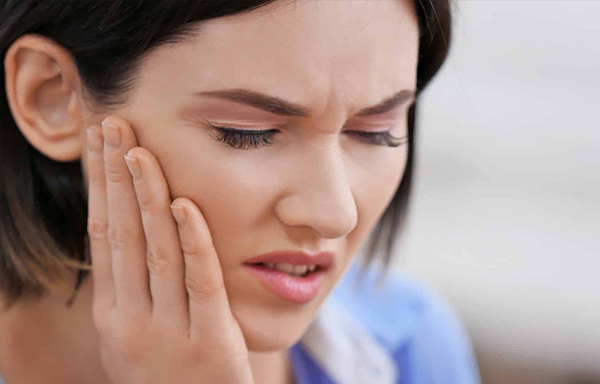
Does Wisdom Teeth Cause TMJ or Make It Worse?
We used to think wisdom teeth showed up when we became wiser or more mature—but that’s not really why they appear. In medicine, these are considered vestigial parts, meaning leftover and unnecessary organs that appeared as a result of human development. Our ancestors had wider jaws, and they helped them grind tougher types of food. In contemporary humans, jaw anatomy is more refined, so the additional molars no longer serve a functional purpose. And yes, they don’t even grow in for everyone anymore. But often, when they do appear, they can bring quite a bit of discomfort. For example, do wisdom teeth cause TMJ? Oh yes, it definitely can. Let’s examine this situation in a little more detail.
Key Takeaways
- We start with a basic overview of rudimentary molars and the reasons behind TMJ wisdom teeth issues.
- We’ll go over all the TMJ and wisdom teeth connection, and the real reasons for the discomfort.
- Our overview covers TMJ wisdom teeth removal, the typical duration, and effective ways to manage the pain.
Do Wisdom Teeth Cause TMJ When They Grow?
We’re not claiming that these parts always cause trouble. There are quite a lot of people who live with all four, feel completely comfortable, and never experience any problems. However, there is another side to consider. There is a fairly large percentage of people who end up with a range of problems and even certain conditions.
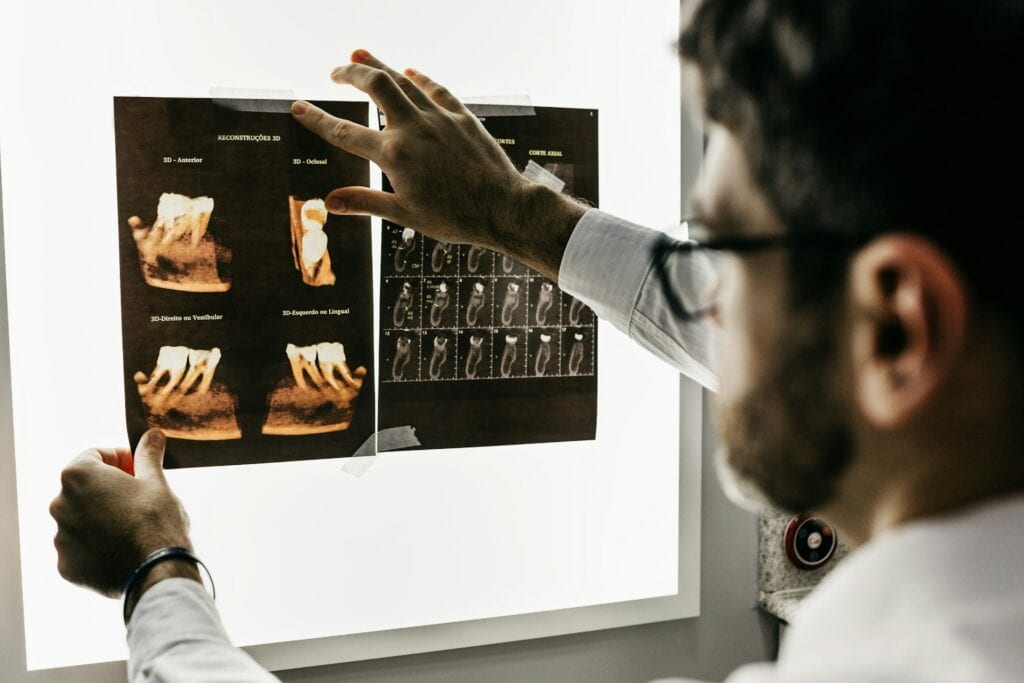
It all starts because the jaw just doesn’t have enough space for new ones. They start growing in the wrong direction and begin pressing on the gum, the nearby molars, and their roots, as well as the facial nerves and bones. Such complications may include structural damage and caries in adjacent parts, jaw alignment issues, pericoronitis, periodontal infections, swelling of facial tissues and lymph nodes, as well as challenges in maintaining adequate oral hygiene.
Do wisdom teeth cause TMJ? Believe it or not, yes. We’ve already looked at cases where we found that TMJ ear pain is anatomically possible. And the joint may suffer because of third molars. These painful sensations can first appear during the growth stage. When an item grows off its proper axis, it can trigger a shift in the bite. And as we’ve discussed many times in our articles, this becomes the reason the mandible starts working improperly and causes related ache. But still, these cases are relatively rare among our clients compared to jaw pain after wisdom teeth removal.
TMJ After Wisdom Teeth Removal: Causes and Solutions
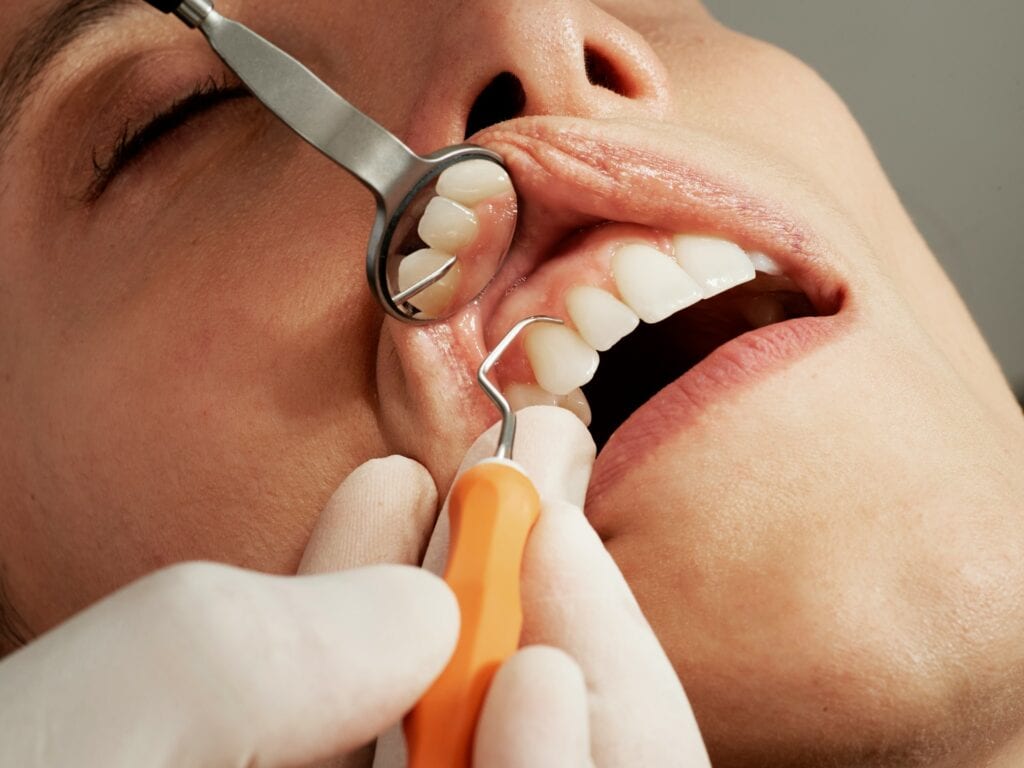
If you’re dealing with wisdom teeth TMJ, inflammation, or other discomfort, then removal may be worth considering. The decision is, of course, made by dentists because it is a minor surgical procedure that requires time to recover from. And TMJ after wisdom teeth removal shows up pretty often in our patients.
The main cause of this condition is ongoing stress within the joint, since during the surgical intervention, your mouth has to stay wide open for a long time. On average, our Beyond Exceptional Dentistry doctors spend about 15-45 minutes per case, and we’ve seen that this can sometimes start TMJ symptoms afterward. The ache will appear when you chew, speak, or open your oral cavity, and sometimes it’s accompanied by clicking sounds. Symptoms typically resolve within several days to a few weeks. We recommend:
- Minimizing jaw function.
- Warm compresses 2–3 times a day.
- Texture-modified nutrition plan.
- If needed, TMJ pain relief with NSAID medication.
- Light massage.
Can Removal of Wisdom Teeth Cause TMJ Due to a Dentist’s Mistake
But sometimes, you still don’t feel any better, and nothing seems better. So the question comes up: can removal of wisdom teeth cause TMJ if the intervention was done incorrectly or the doctor made a mistake?
Unfortunately, yes. In rare circumstances, medical mistakes really can trigger sore and persistent TMJ from tooth extraction. An overly traumatized jaw, excessive joint strain from keeping the mouth open for too long, and bite shifts can create damaging pressure, and TMJ disorder causes new inflammation, pain, clicking, stiffness, or even disc displacement.
Our team at Beyond Exceptional Dentistry has seen cases like this in real practice. That’s why we want to stress once again that the doctor must take everything into account during the surgery, including possible difficulties, anatomical specifics, and the overall challenges.
How Long Does TMJ Last After Wisdom Teeth Removal?
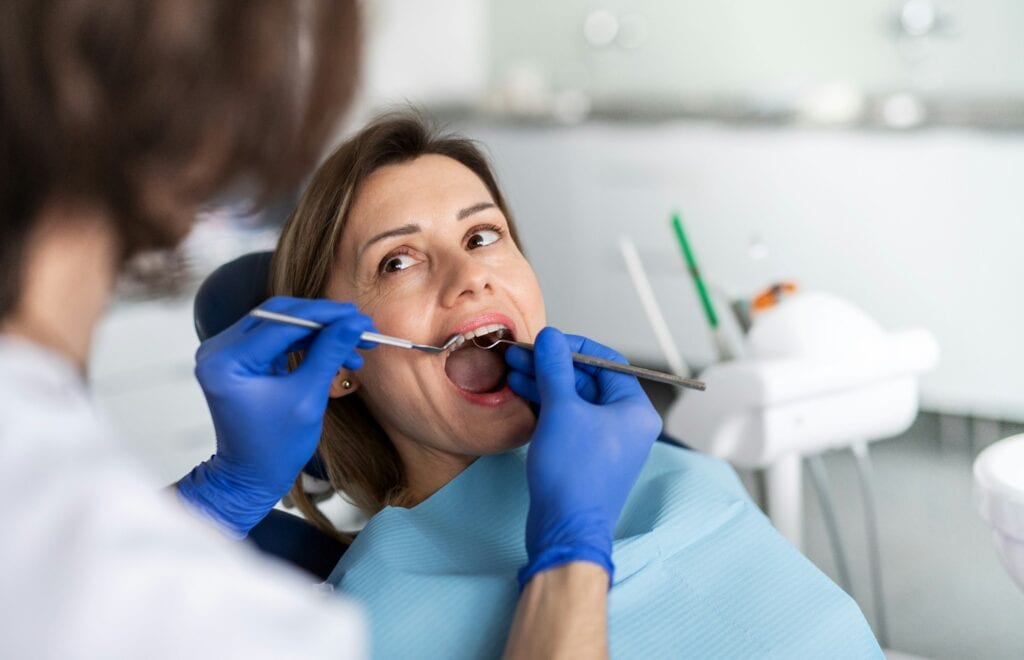
Let’s talk about how long TMJ lasts after wisdom teeth removal in the classic sense. To begin with, any dental procedure typically results in some level of postoperative discomfort. Even when we perform a procedure like our VitaSmile treatment, which is mainly an aesthetic intervention, our patients might continue to feel a mild ache for a short time afterward.
But getting rid of a rudimentary molar is more difficult. These samples are big and sturdy, and since they’re all the way in the back, where it’s hard to reach, working on them is never simple. For this reason, assistants keep the mouth open widely to allow the doctor to perform the procedure more quickly and effectively. The healing of the gum and the joint after wisdom tooth removal happens differently for each person. TMJ symptom duration can last from a few days to several weeks. Sometimes, full function may return only after a few months. Remember that TMJ recovery time is influenced by the complexity of the surgery and how long it takes.
FAQ
Sometimes growing wisdom molars can create unnecessary pressure and jaw imbalance, which adds anxiety to the joint.
No, only when they start triggering soreness and irritation, or pushing other teeth out of place, or if difficulties appear.
The surgery doesn’t hurt because of the anesthesia, although TMJ and wisdom teeth removal can be related when postoperative discomfort develops.
If the operation was too traumatic, we’ve seen cases where inflammation appears, or a hidden temporomandibular joint issue becomes aggravated.
Conclusion
So, do wisdom teeth cause TMJ? It certainly can, and we have outlined the mechanisms that explain how this occurs.
And we also covered how TMJ after wisdom teeth removal can develop.
This is a purely mechanical postoperative consequence, so it simply needs time to pass.
And of course, reach out to specialists right away if you notice even the slightest problem in your mouth. Our Savannah Cosmetic Dentists are ready to welcome you, whether you’re coming in for treatment or aesthetic procedures to feel healthier and look your best.